Dunreath Feed & Fowl
New Location Starting November 5th
A New Chapter for Dunreath!
New Location, Expanded Hours & Familiar Faces
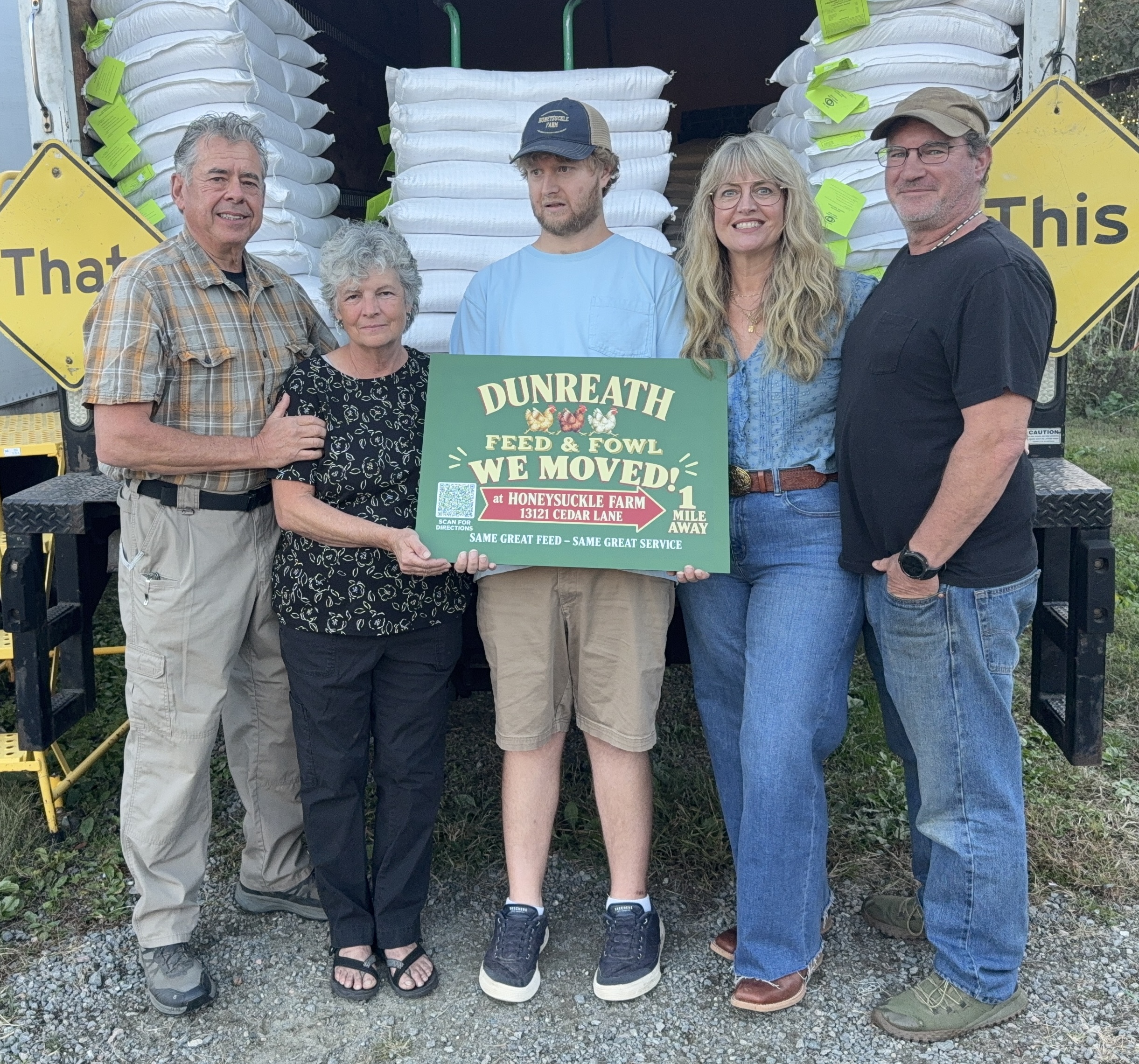
We’re excited to announce that Dunreath Feed & Fowl is moving to Honeysuckle Farm, just down the road from our original location!
Beginning November 5, 2026, Rob, Erin, and Jack are welcoming customers to the new location, continuing the tradition of providing the same great feed, poultry, and personal service you’ve come to expect from Dunreath.
For years, Stacey and I have had the pleasure of serving our wonderful customers, many of whom have become friends. Finding the right people to carry Dunreath forward was important to us, and we’re excited about its future with Rob, Erin, and Jack.
Although we are no longer managing the day-to-day operation, we’ll remain involved during the transition and look forward to seeing many of you at the new location.
Thank you for your many years of friendship and support. We look forward to this exciting new chapter!
Steve & Stacey
Come Visit Dunreath Feed & Fowl Starting November 5th!
Honeysuckle Farm
13121 Cedar Lane
Ashland, VA 23005
804-499-2749
Same Great Feed. Same Great Service. More Convenient Hours!
Thursday - Sunday
8:00 a.m. - 6:00 p.m.
FLOCK-O-METER
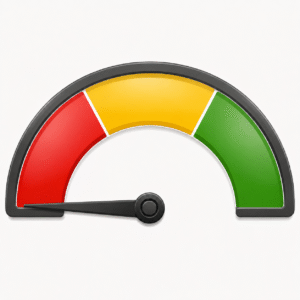 Golden Comets - SOLD OUT
Feed Status
We have Layer, Grower, Starter, and Scratch in stock.
Hours
Regular Hours
Friday - Sunday
10:00 AM to 5:00 PM
Other Hours by Appointment only
Last Day at this Location November 2nd
Dunreath Farm
13101 Ashland Road
Ashland, VA 23005
804-798-9052
Golden Comets – SOLD OUT
Scratch Grains: A Simple Treat for Active Spring and Summer Flocks
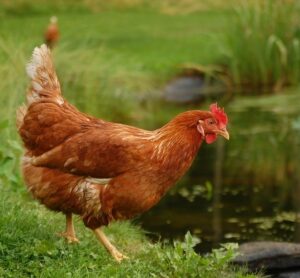
Chickens are natural foragers. Scratching the ground isn’t just a habit—it’s a core instinct that keeps birds active, engaged, and content. During spring and summer, when pastures and yards are alive with seeds, greens, and insects, scratch grains provide a simple way to encourage that natural behavior.
For flocks that free range, chickens spend much of the day searching for seeds, greens, and insects on their own. But many backyard flocks live in a coop with an attached run and have limited access to natural forage. In these settings, scratch grains become an important form of enrichment. Scattering a small amount in the run encourages birds to scratch, search, and stay active rather than standing around the feeder. This simple activity helps reduce boredom and promotes natural flock behavior.
In warm weather, scratch grains are best used as an occasional treat rather than a primary feed. Chickens already receive balanced nutrition from their complete feed and whatever seasonal forage they find outdoors.
Scratch should never replace a balanced layer or grower feed. Offer scratch only after birds have eaten their regular ration, and limit the amount to what the flock will clean up in about 15 to 20 minutes. This keeps scratch as a reward rather than allowing it to dilute the flock’s overall nutrition.
Scratch feeding is also a great way to build trust with your birds. Chickens quickly learn to associate the sound of grain with their caretaker. Many keepers use scratch as a training tool—calling the flock back to the coop, gathering birds at dusk, or simply making daily chores more enjoyable.
Because scratch grains are whole grains, chickens must have access to grit. Grit allows the gizzard to properly grind the grain and supports healthy digestion. Free-ranging birds often find natural grit outdoors, but providing commercial grit or fine gravel ensures the entire flock has what it needs.
Oyster shell is not a substitute for grit. Oyster shell is a calcium supplement designed for laying hens and dissolves during digestion. Grit, on the other hand, remains in the gizzard to grind whole grains and feed particles.
Scratch Feeding Rule of Thumb:
Scratch grains should make up no more than about 10% of a chicken’s daily diet. Always feed complete feed first, then offer scratch as a treat or enrichment activity.
Used properly, scratch grains are a simple way to add activity, enrichment, and interaction to your flock’s routine—keeping chickens busy, curious, and content throughout the growing season.
Mailing List

This website was last updated on: October 26, 2026 - 5:45 p.m.



We accept Cash and all major credit cards. We do not accept checks.
3% Discount for Cash and Zelle
Notes
- All sales are at our farm. We do not ship or deliver anything.
- We sell point-of-lay pullets. We do not sell chicks or hatching eggs.
- Due to State regulations, we do not sell any animals to be transported out of state.